
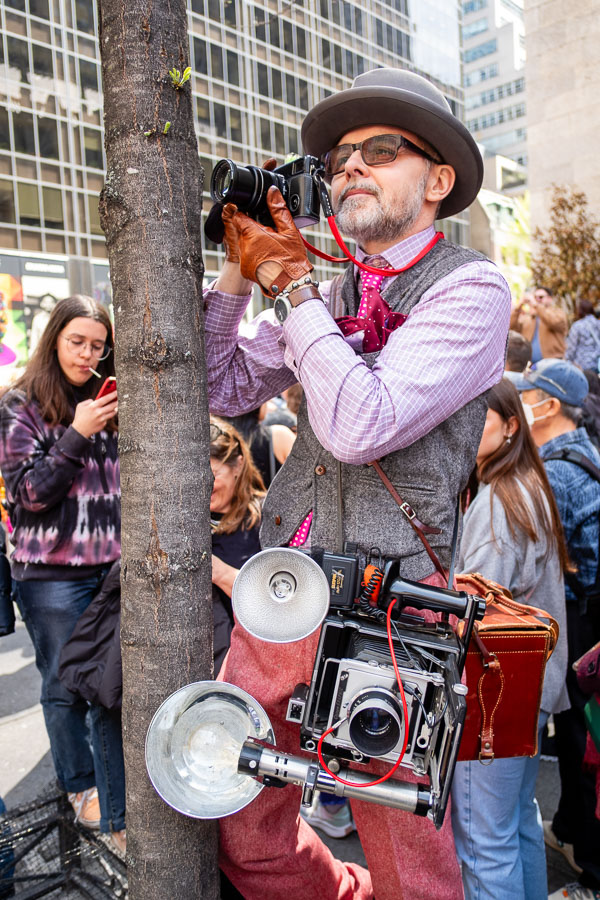
I’m frequently asked for quotes for event photography, and I’m happy to provide them. That query most often starts with the cost. (I’m assuming that you’ve inquired because you’ve seen work samples, and that the quality and style of the images are what you’re looking for.) But the cost is only one factor to consider. In order for me to give you an accurate quote I’d like the answers to a few questions.
- What do you want the photos—and maybe video as well—to do for you?
- What kind of event are you holding?
- What’s the venue?
- What are the hours of the event?
- How many attendees do you expect?
- Are there any special requirements your photographer needs to know about?
A discussion of these details prior to asking for an estimate will be helpful to you and your photographer, and will lead to better results.
What do you want the photos to do?
Put aside, for the moment, what photos you think you want. We’ll come to those, and they may well be the photos you need; but rather than just checking boxes in front of step-and-repeat, keynote speaker, and the like, you’ll have a larger goal in mind. And if you articulate that goal to your photo team, they’ll have a more complete sense of what to photograph and how to photograph it.
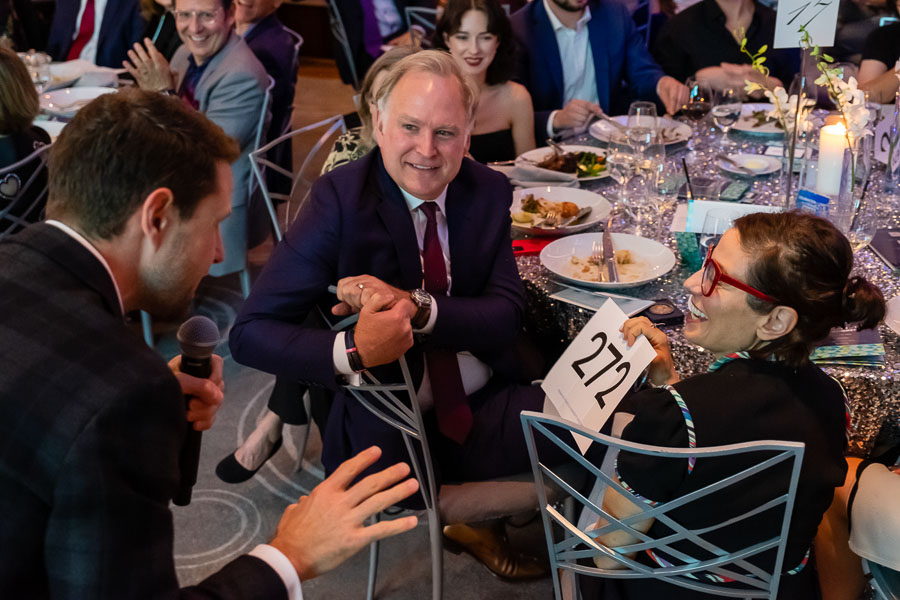
Here’s what I mean by that. Do you want the images to create buzz in the press, or on social media? Do you want attendees to have access to the images so they can post them on their own social media? Do you want to send the images to people who did not attend, so they can see what they missed, and attend next time? Do you want participants in your benefit auction to look heroic as they bid successfully? Will you use some images to include in a sizzle reel for the web or for another event? These are all things to think about and to review with your photographer so they can capture specific kinds of moments and produce images that have the effects you want.
What kind of event are you holding?
Is it a gala, conference, panel discussion, golf tournament? How many people will attend? How large is the venue? How long will your event last? Give some thought to how many photographers/videographers will be needed to cover it completely.
For a gala with a thousand people expected, a celebrity keynote speaker, a live auction, step-and-repeat photos against your branded background, you should plan on a minimum of two photographers; three would give you more complete coverage.
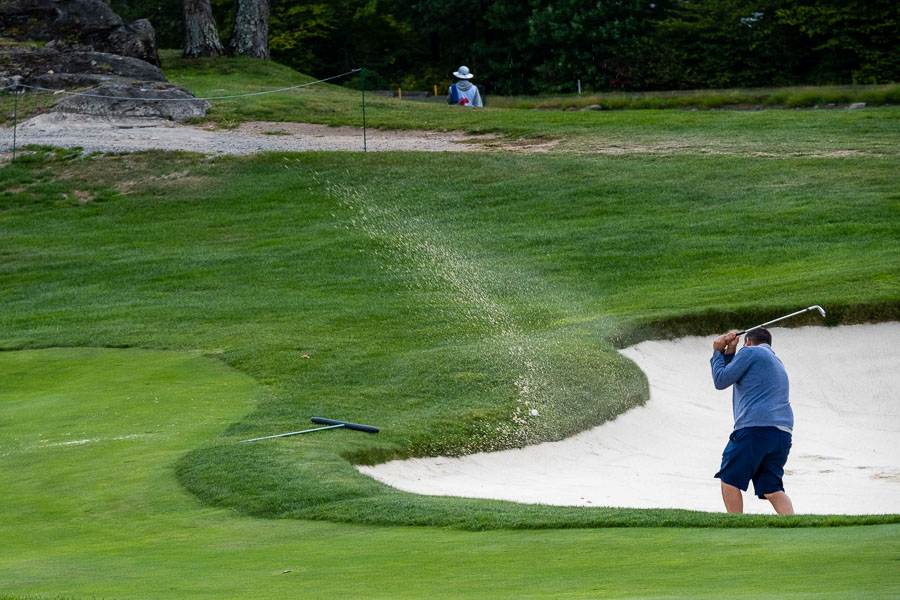
For another example, if the event is a golf tournament, and you want posed photos of every foursome as well as action shots of golfers over the entire course and awards at the end, you’re likely to need two photographers.
Are there special requirements?
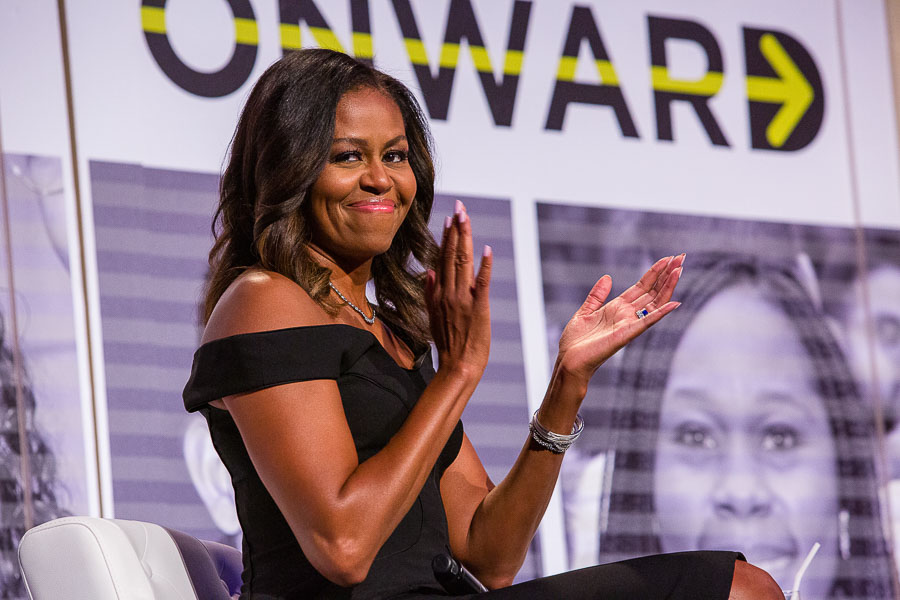
Are there any special requirements regarding the venue, the guests, or the keynote speaker? I’ve had to get security clearance from the Secret Service for me and my team of two additional photographers for a former national political figure. And many venues require certificates of liability insurance.
How many images will you need? And when will you need them? A few rush images the morning after an event for PR and social media are usually part of the package; but if you want to post images to social media during the event, that will require a digital technician. Expect at least a few working days for delivery of all the select images.
Do you want prints delivered to the participants during the event? Add the expense of printers and supplies along with a digital technician to do the printing.
I often get asked by event attendees if images will be available to them. That’s up to the client. You can do this on your own, or I can create an online gallery and make images available for free download by attendees. If I know ahead of time, I can let inquiring attendees know when they ask, and possibly give them a gallery link.
Now let’s talk about the money
Here comes the part you probably asked about initially—the money.
Most event photographers charge by the time at the event, and include pre-production and post-production in their fees. It’s tempting to think of the time spent during the event as all the time involved. If that were so, the rates would seem high—not by law firm standards, but to the rest of the world. Here’s what’s really involved, and where the money goes.
Pre-production planning
What are your goals? What images, and how many, will you need? What’s the venue, and does it pose any particular logistical difficulties? How many photographers/videographers will be needed? We’ll need time to review the run of show (ROS) with them, and give them specific assignments. (If this seems obvious, I’ve attended events with 3 photographers who worked in a flock, all apparently taking the same photos.) If you want table shots, for example, does the ROS allow time for this? We can’t take table shots during the keynote or other presentations, or during an auction, and photographing people while they’re eating isn’t pretty. So, planning.
The photography
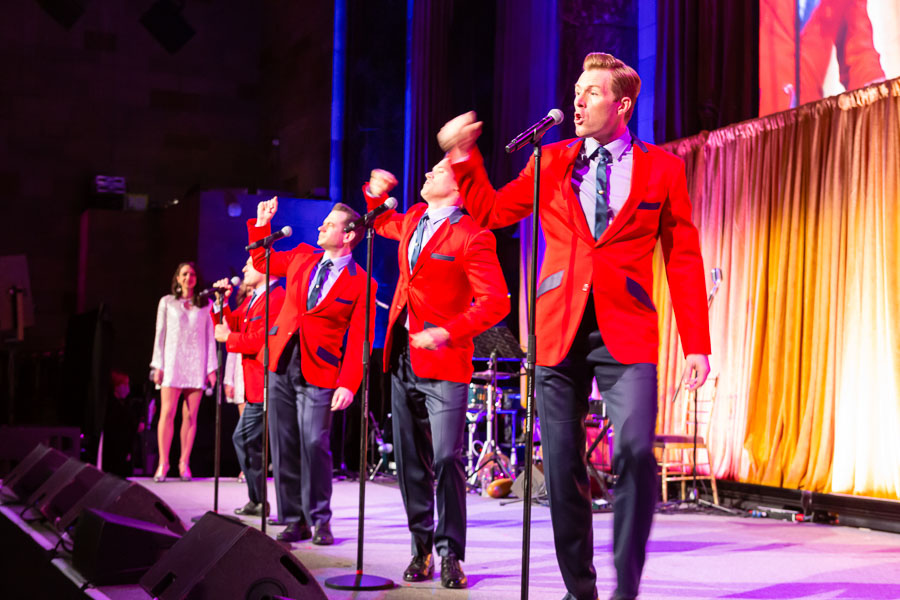
Of course there is the photography of the event itself, the part that everyone sees, and often the only part anyone thinks of. Add a half hour prior to the start of the event so the photographer can familiarize themself with the venue, with the staff, and prepare their equipment.
Post-production
And then there’s the post-production—everything that happens after the photography is done. This takes more time—much more—than photographing the event itself. Here’s a rundown of the four parts of post-production.
Ingestion
The images from all the memory cards have to be ingested onto a hard drive, and renamed. Then they have to be backed up onto a second hard drive. (Eventually they’ll be backed up onto a third drive, but not yet.)
Selection
The images will be reviewed, and the best selected in a series of passes, one image at at time. For a gala 3 hours long, that can be 2,000 or more images, from which I chose the best that will serve your goals.
Clean-up
Once the best are selected, they have to be cleaned up—adjusted for exposure, color, and cropping.
Export
These then have to be exported, converted from the camera’s large RAW files to smaller JPEG files than can be used on websites, in the press, and in social media. At least in my practice, these files are exported into subject folders which are then compressed for delivery.
Delivery
The zipped folders then get delivered to you by web download link or ftp.
Video: A Special Case
If there’s video capture, will you want unprocessed footage? Will you want editing? 1080p? 4K? If there’s a lot of video footage, would you like a web download or would you prefer to provide an SSD drive for FedEx delivery? Keep in mind that video files, especially 4K, are very, very large.
How much time does all this post-production take? Often three to four times as much time as the photography itself.
Costs
So far, I’ve written about the hidden time it takes to do event photography, time that has to be paid for. There are also costs, both fixed and variable. (Sound like business? It is.)
Fixed Expenses
A photographer’s fixed expenses include, most obviously, equipment. A “nice camera,” like the one a staff member’s nephew has, isn’t up to the task. At a minimum, I bring 2 camera bodies and 4 lenses, several memory cards, extra batteries, and at least one flash. If I provide additional photographers, they each bring 2 camera bodies, at least 2 lenses, and a flash. Back at the office, I’ve got an up-to-date computer, a large, color-calibrated graphic arts monitor, and lots of hard drives. (I buy hard drives 3 at a time—one for original files and 2 for backups. And, yes, I’ve needed them all at times.) None of this equipment lasts forever, and sometimes requires maintenance and eventual replacement. Then there’s software, most of which is software-as-service, and comes with monthly fees. Liability insurance is a fixed expense as well, as is worker’s comp insurance for any people I hire.
Variable Expenses
Variable expenses include transportation to assignments outside the city, additional photographers, videographers, or digital techs. Some of these, digital techs, for example, have fixed fees whether the event is a few hours or a full day long.
Almost forgot: I have to pay myself as well.
If you’re a nonprofit hiring a photographer, keep in mind that we photographers are not nonprofits but small businesses. We don’t host fundraising events for ourselves and don’t get grants from foundations.One last thing, something that has nothing to do with the quality or the cost of the photography. What will this photographer be like to work with? Are they responsive? Communicative? Affable? Do they listen? Working with a photographer during an event can be a little like a long date, but with greater pressure; and just as you would screen a date before agreeing to go out for coffee or lunch, your initial email or phone conversation can tell you a lot. Pay attention.
I hope this helps. By all means get in touch if you have questions, or if you need help clarifying goals and needs, or if you have an event in mind.