
In short, no.
But let me explain. You may be asking because of a misunderstanding of what RAW 1 files are: they’re not just large files, but unprocessed data from the camera’s sensor. In a rough comparison with the world of film photography, RAW Files are like undeveloped film; but, unlike film, which when developed, yields a negative with a fixed image, RAW files can be processed in many different ways to yield images that can look quite different. You need software to convert a RAW file to a visible image file, either software built into the camera, 2 a camera manufacturer’s software, or professional conversion software like Adobe’s Camera Raw.
If RAW files are directly converted from the data, the image will lack contrast and will have flat, unsaturated colors. This is by design: the contrast, color saturation, and white balance are adjusted when the files are processed, and are at the vision and design of the person doing the processing.
The RAW files will look like this:
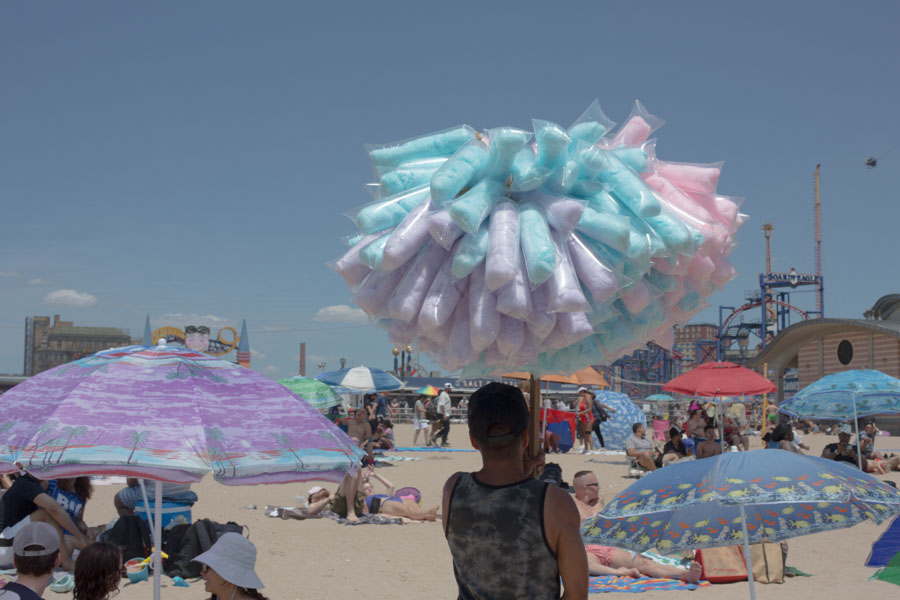
Yuck. Not what you're hoping for.
You're looking for somethings more like this:
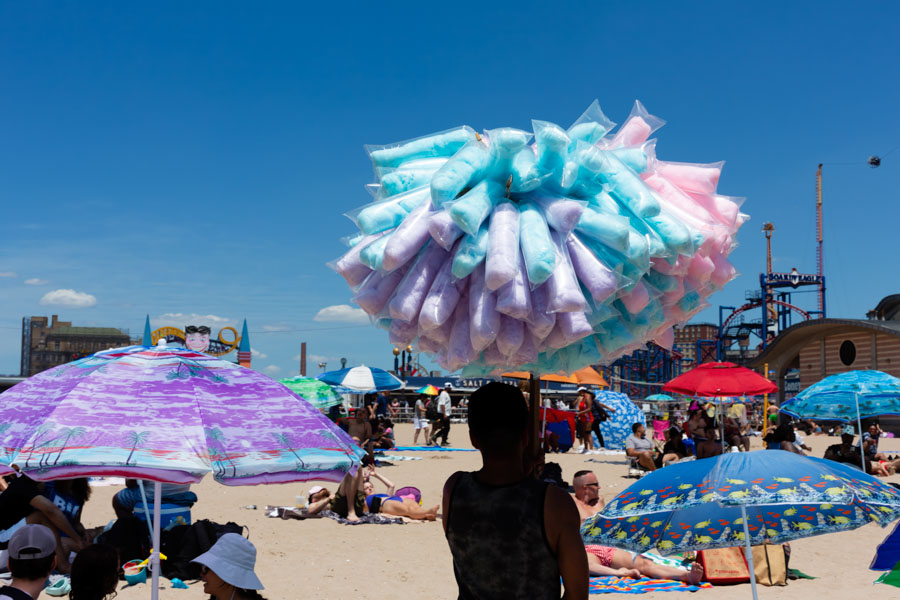
II answered the question with a firm “no;” but there are, of course, exceptions. In photography for a national print advertising campaign when a professional retoucher will be preparing the image for print, the client will likely get the RAW file. In this case, the photographer will probably be using a medium-format camera that produces very large files—100 megapixel or larger—and the retoucher will want room to work. If you’re that client you know you’ll be getting the RAW files, and know you’ll be paying for camera and studio rental, as well as for an assistant or two, a digital tech, a stylist, a hefty fee for advertising usage, and another fee for retouching as well. For everyone else, the answer is still “no.’
Getting back to the original question, and to give the answer a practical perspective, one reason to hire a photographer is because you like the way their photos look. And that look is something the photographer creates from the files. Giving you the RAW files would take that look out of the equation.
I expect that what most people really want when they ask for RAW files are files as large as the camera produces. If so, why? They’re too large for web use—they’ll slow down web browsers because the browser will have to resize each image on the fly to fit a computer screen or phone screen. How large are they? Files from a 24 megapixel sensor are 4,000 X 6,000 pixels; that’s 24,000 pixels. 3 But a JPEG file of the full image is 17.5MB in size. 4 Reduced to a more usable 2,400 pixels on the long side, large enough to print photo quality at 10 inches on the long side, and more than large enough to fill a computer screen, we get a more manageable 2.3MB file size for a highest resolution JPEG file.
___
1 RAW, as in RAW files, is spelled in all caps, btw.
2 Every camera manufacturer has proprietary RAW file formats; there are dozens. And most RAW files have JPWG thumbnails embedded int hem which is what you see when you’re looking at the the image on the camera back.
3 The actual file is larger than 24MB, though, because it includes header information and an embedded JPEG preview thumbnail.
4 JPEG images are compressed—they discard some information with the goal of reducing file size, and, ideally, not reducing picture quality noticeably.